Research Snapshot: Forcibly displaced students
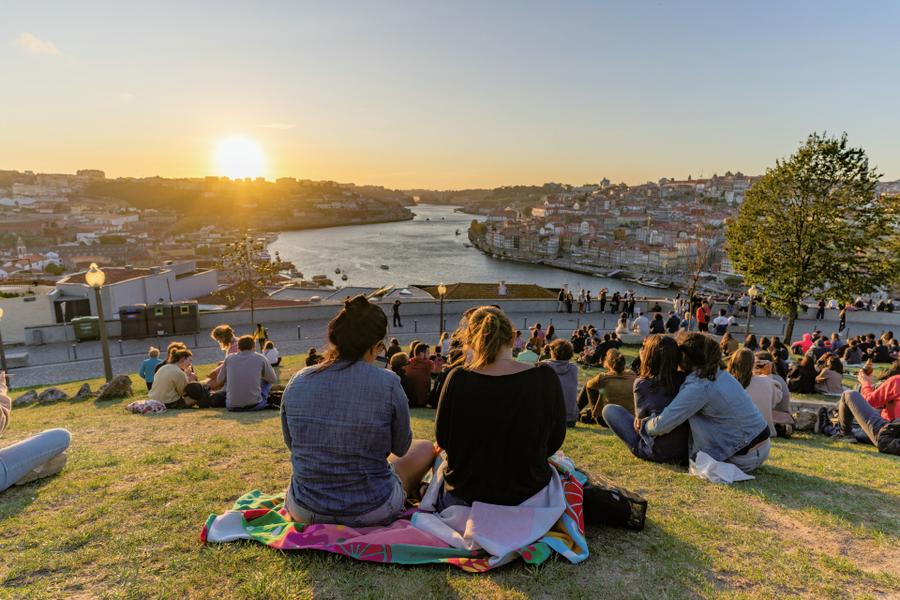
Forcibly displaced to an offbeat destination: Syrian international students' experiences in Portugal
Publication date: 25 August 2025
This research examines how Syrian international students experience higher education in Portugal, a "double offbeat destination" semi-peripheral in both student mobility and refugee hosting. Drawing on Streitwieser's concept of "survival mobility"—where students move by necessity due to safety threats—it explores how forcibly displaced students navigate education in a non-traditional destination. Portugal's semi-peripheral position creates an "offbeat advantage paradox", offering accessible entry but requiring students to shoulder disproportionate integration burdens due to insufficient institutional support.
The study involves 10 in-depth interviews with Syrian students at Portuguese higher education institutions, exploring their mobility decisions, academic experiences and survival strategies. The research applies Gateley's framework to examine self-reflection, decision-making and opportunity structures, while challenging deficit narratives that position forcibly displaced students as "incomplete Others".
The paper offers fresh insights into forced mobility and student integration in overlooked destinations, with practical recommendations for institutions seeking to support displaced students more effectively.
Thais França
Thais França is an Assistant Researcher at CIES-Iscte, Iscte. She specialises in international student mobility, social inequalities and decolonial approaches. She is the coordinator of the Erasmus+ project Inclusion+: Tackling the challenges of Erasmus+ mobility inclusion and diversity at the higher education level.
Key findings of the research:
- Entry facilitation without sustained support creates academic vulnerability
While streamlined admission processes and targeted scholarships successfully enabled forcibly displaced students' entry into higher education, the absence of continuous institutional support throughout their academic journey left students navigating critical challenges through informal negotiations and self-directed strategies for language acquisition, credential recognition and social integration.
2. Student resilience conceals systematic institutional gaps
When forcibly displaced students succeed despite institutional limitations, their individual resilience and adaptive strategies can mask underlying systemic deficiencies. Student success stories may inadvertently obscure the need for formal support structures, leading practitioners to underestimate institutional responsibilities and overestimate the adequacy of existing systems.
Key recommendations for higher education institutions (HEIs)
- Integrate intensive, targeted and free language courses into academic curricula.
- Establish streamlined and transparent academic recognition procedures for validating prior qualifications from conflict-affected regions.
- Implement comprehensive anti-discrimination training and cultural sensitivity training for all faculty and staff, complemented by peer mentorship programmes.
- Foster social belonging through structured interaction opportunities with local communities.