Session
✅ Included for all participants
The new Erasmus+ lump-sum model is reshaping the rhythm of project management and how universities plan, implement and report on KA2 projects. This session will dive into the practical implications and what this 'revolution' means for universities running Erasmus+ KA2 projects, from deliverable tracking and reporting practices to mindset shifts. We will explore practical tools, institutional practices and lessons learned to keep your projects in tune with the new funding rhythm.
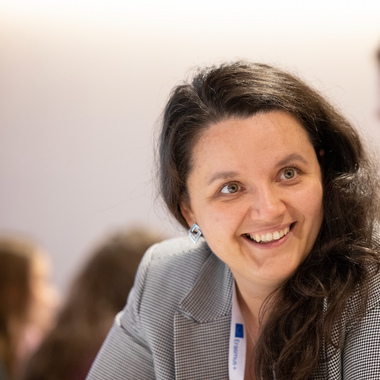
Liga Kuzmane works at the European University Foundation (EUF), where she coordinates network-wide communities and develops training opportunities for higher education professionals. With more than ten years of experience in international higher education, Liga combines a big-picture view of Erasmus+ with a deep understanding of how cooperation projects work on the ground.
Liga has experience on the full lifecycle of EU-funded projects, from design and application to implementation and reporting. She also has worked at the Erasmus+ Project Unit at the University of Alcalá, supporting project managers and applicants and coordinating international activities with partners across Europe, North America, and beyond.
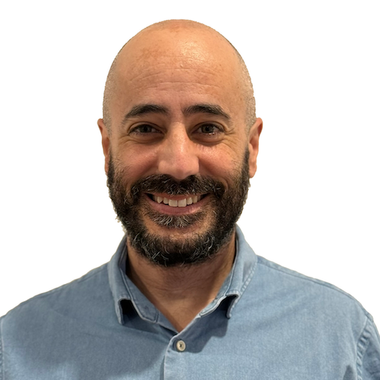
Fernando Pérez-Peña holds an MEng in Telecommunications Engineering from the University of Seville and a PhD in Engineering from the University of Cádiz, specialising in neuromorphic motor control. After research stays at CITEC (Bielefeld University) and the Institute of Neuroinformatics (ETH Zurich), he joined the University of Cádiz, where he has been Associate Professor since 2019.
International cooperation is central to his work. Since 2024 he has been Director General of the SEA-EU European University Alliance at the University of Cádiz, and in 2026 Vice-Chair of the FOREU4ALL Forum Board. Through these roles he collaborates with universities, public authorities and stakeholders across Europe on institutional transformation, educational quality and internationalisation, regularly contributing to staff weeks, conferences and policy discussions on the European Higher Education Area and the European Universities Initiative.
He previously served as Degree Coordinator and Deputy Director for Academic Affairs at the School of Engineering. He teaches undergraduate and postgraduate courses in Computer Networks, Computer Architecture, Neuromorphic Systems and Research Methodology, and has supervised four completed PhD theses. His research spans neuromorphic engineering, neurorobotics and spiking neural networks, with over 60 scientific publications, and has more recently expanded into higher education governance and international cooperation.
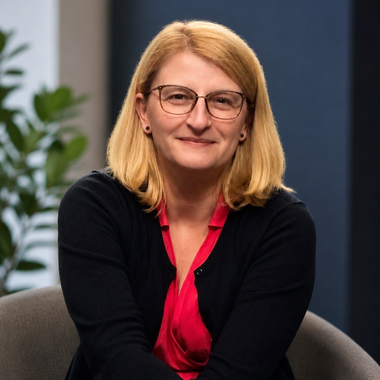
Raluca Boldan is a Project Officer at the Romanian National Erasmus+ Agency, where she manages Erasmus+ Key Action 131 (Higher Education Mobility) and Key Action 220 (Cooperation Partnerships) projects. With extensive experience in international higher education and EU-funded programmes, she supports higher education institutions in developing and implementing high-quality international cooperation projects.
Before joining the National Agency, Raluca worked at Transilvania University of Brașov, where she coordinated the Project Management Department and gained hands-on experience in the design, implementation, and management of Erasmus+ and other European projects. Having worked from both the beneficiary and funding agency perspectives, she brings a practical understanding of the opportunities and challenges of Erasmus+ project management, quality implementation, and international collaboration.